

Business Insurance Article
Lower workers’ compensation rates do not tell the whole story
Payroll, claim costs, and changes in your workforce deserve attention even when the rate on your renewal falls.
Updated October 2, 2026.
A lower workers’ compensation rate can be welcome news. It does not, by itself, tell you whether your total premium will fall or whether your workforce faces less risk.
Changes in payroll, job duties, hiring, and claims can affect the picture. Review those changes alongside the quoted rate before deciding what the renewal means for your business.
Separate the rate from the cost of a claim
A rate is only one part of the premium calculation. Higher payroll or changes in the work employees perform can offset a lower rate. Your experience modification and other applicable rating factors also matter.
NCCI’s 2026 State of the Line Guide examines rates, payroll, and claim severity separately. Wage levels and medical costs influence claim costs, but results vary by state and employer. A national trend does not establish what will happen on your account.
Look at the work behind the payroll
Ask what has changed since the last renewal. Are new employees taking on unfamiliar tasks? Has overtime increased? Have responsibilities shifted because positions remain open?
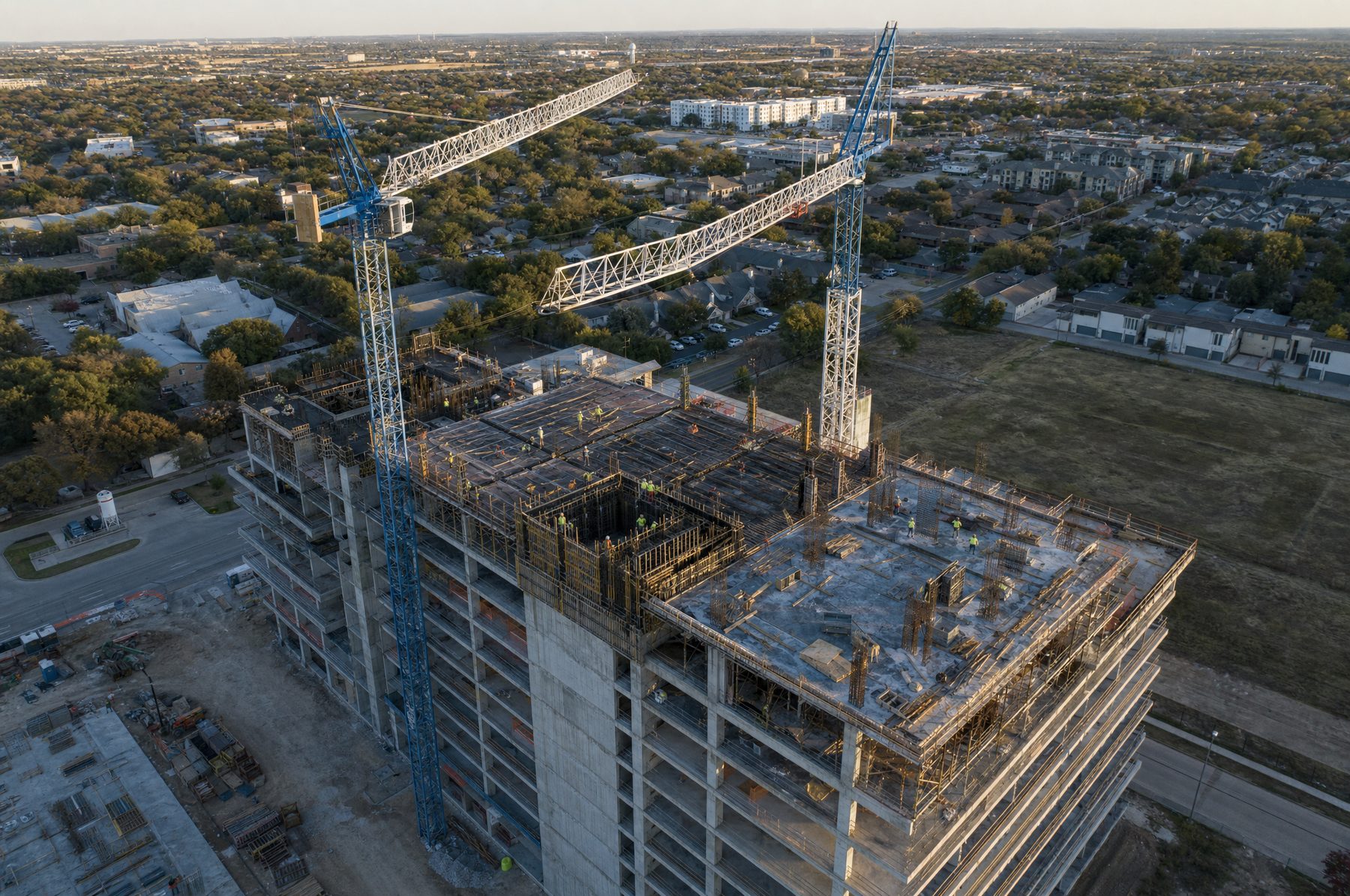
For construction and hospitality employers, those questions connect the insurance review to daily operations. A payroll total alone will not explain changes in supervision, training, or the work being performed.
Make training part of the renewal conversation
Review how employees learn to perform their jobs safely, report hazards, and get help when assigned unfamiliar work. OSHA’s education and training guidance recommends additional training when changes or new assignments introduce hazards.
Focus on the tasks and conditions at your business. Training records and supervisor follow-through are more useful than assuming experience at a previous employer covers every new responsibility.
What to review with your insurance team
- Compare the proposed rate and premium using current payroll estimates and classifications.
- Review loss history, open claims, and the experience modification where applicable.
- Identify changes in staffing, duties, locations, and supervision.
- Agree on practical safety priorities and who will follow through.
A favorable rate is one part of the renewal. Understanding what changed in your workforce helps you make better decisions about the rest.
Talk with our team about reviewing your workers’ compensation program. View the original archived article.